Hillyard Culture
Future of Hillyard
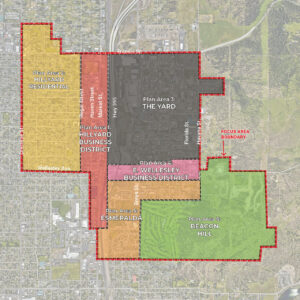
The Hillyard Subarea Plan, initiated in 2023, is designed to address the neighborhood’s infrastructure deficiencies and economic challenges while preserving its historical character.

The Hillyard Subarea Plan, initiated in 2023, is designed to address the neighborhood’s infrastructure deficiencies and economic challenges while preserving its historical character.

Hillyard’s rich history and vibrant community spirit are celebrated annually through events tied to The Hillyard Festival.
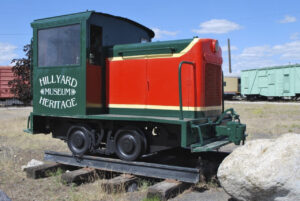
Founded in 2004 by local advocates Mike and Marjorie Brewer, the Hillyard Railroad Heritage Museum honors the neighborhood’s historic connection to the Great Northern Railroad through storytelling and the preservation of artifacts.
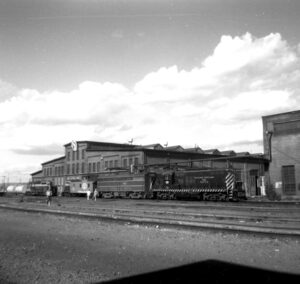
The Hillyard neighborhood, once a bustling hub for the Great Northern Railroad, faced significant decline following the closure of the railroad yard.

Years of U.S. nuclear testing in the Marshall Islands in the central Pacific Ocean have left long-lasting environmental and economic impacts, prompting many Marshallese to migrate to the United States.
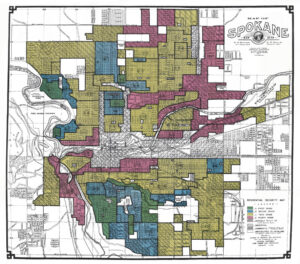
Redlining, a system that ranked neighborhoods based largely on race, significantly shaped the development of northeast Spokane, setting it apart from more affluent areas of the city.
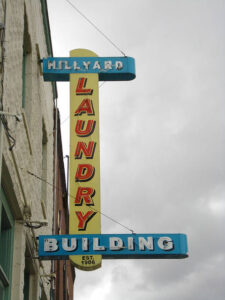
From 1906 to 1950, the Hillyard Hand Laundry supported the Shiosaki family and served as an essential business that united the Japanese American community in Spokane.
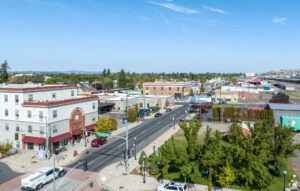
Hillyard, established in 1892 as a base for the Great Northern Railroad, maintained independence from Spokane for over three decades.
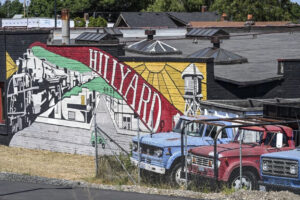
The Hillyard Historic Business District, or Market Street District, serves as the historic and economic heart of the neighborhood.
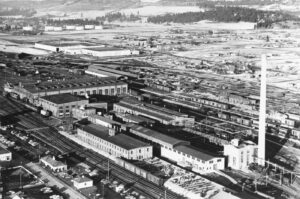
In 1892, James J. Hill established the area formerly known as “Wild Horse Prairie” as a base for the Great Northern Railroad.