The formal discipline of ethnobotany may date back to the first century, with the work of Greek physician Dioscorides. His text, De Materia Medica, cataloged hundreds of uses of Mediterranean plants. Many people, however, believe the study emerged much later. Botanist John William Harshberger coined the term “ethnobotany” in the late nineteenth century, and biologist and botanist Richard Evans Schultes popularized the field in the mid-twentieth century.
The Spokane Tribe has lived in this region for thousands of years and developed a deep relationship with the landscape and plant life. The tribe has used regional plants for food, medicine, tools, weapons, transportation vessels, basketry, blankets, clothing, jewelry, trade and gifts, and religious ceremonies.
Ethnobotanical practices like these rely on developing and maintaining knowledge of all phases of plant collection:
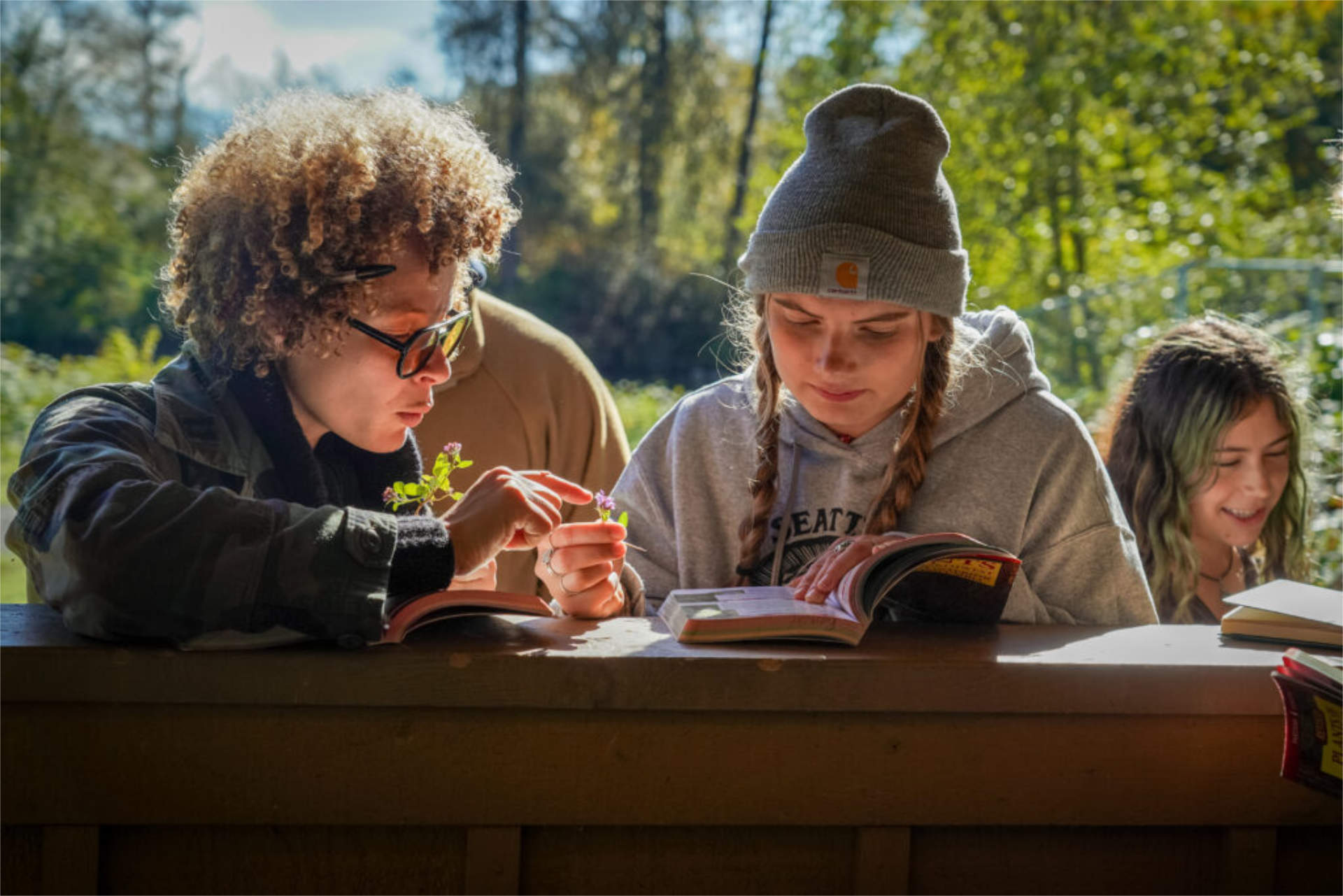
- knowing how to identify plants accurately
- determining the correct location, habitat, season, and time of day for gathering
- using tools and equipment appropriately
- understanding the countless uses of plant parts
- knowing the proper way to process, prepare, and preserve plants
Indigenous communities follow a set of principles to interact ethically with the natural world. The honorable harvest encourages plant gathering with a spirit of respect, reciprocity, and responsibility. While these guidelines can vary according to tribe, their purpose is to create an ethical, sustainable, and responsible relationship with the landscape.
Our plant knowledge is evolving with the natural environment and sociocultural factors. Some non-native plants introduced after European contact have become part of the local ecology and are used by Indigenous people today. Other plants may no longer be used as they were in the past, or they may serve different purposes.
Changes to the environment also affect how we interact with plants. Site contamination, for example, may require finding new areas for harvesting, while climate change may mean shifting the time of year for gathering certain plants.
Although traditional plant knowledge is customarily passed down from generation to generation, much of that information was lost after European colonization. Many tribes, however, are revitalizing their plant knowledge and cultural practices.
Members of the Spokane Tribe continue their ethnobotanical traditions today. Dozens of plants have historical and contemporary significance to the tribe. To learn more, visit the Children of the Sun Trail Discovery Garden or see our tribal plant list below.