Traditional Ecological Knowledge (TEK) is the wisdom and understanding that Indigenous people have developed over thousands of years through direct contact with their local landscapes. Often referred to as Indigenous Knowledge or Indigenous Science, this holistic framework integrates natural science, social and cultural factors, and religious and spiritual values.
TEK is the accumulated knowledge and systems of practices, beliefs, and interaction with the natural environment. It includes empirical knowledge of ecological systems and processes; livelihood practices like farming, hunting, and gathering; and beliefs about how people interact ethically with ecosystems. This traditional knowledge is specific to place. It focuses on the ways humans interact with local flora, fauna, and landscape characteristics.
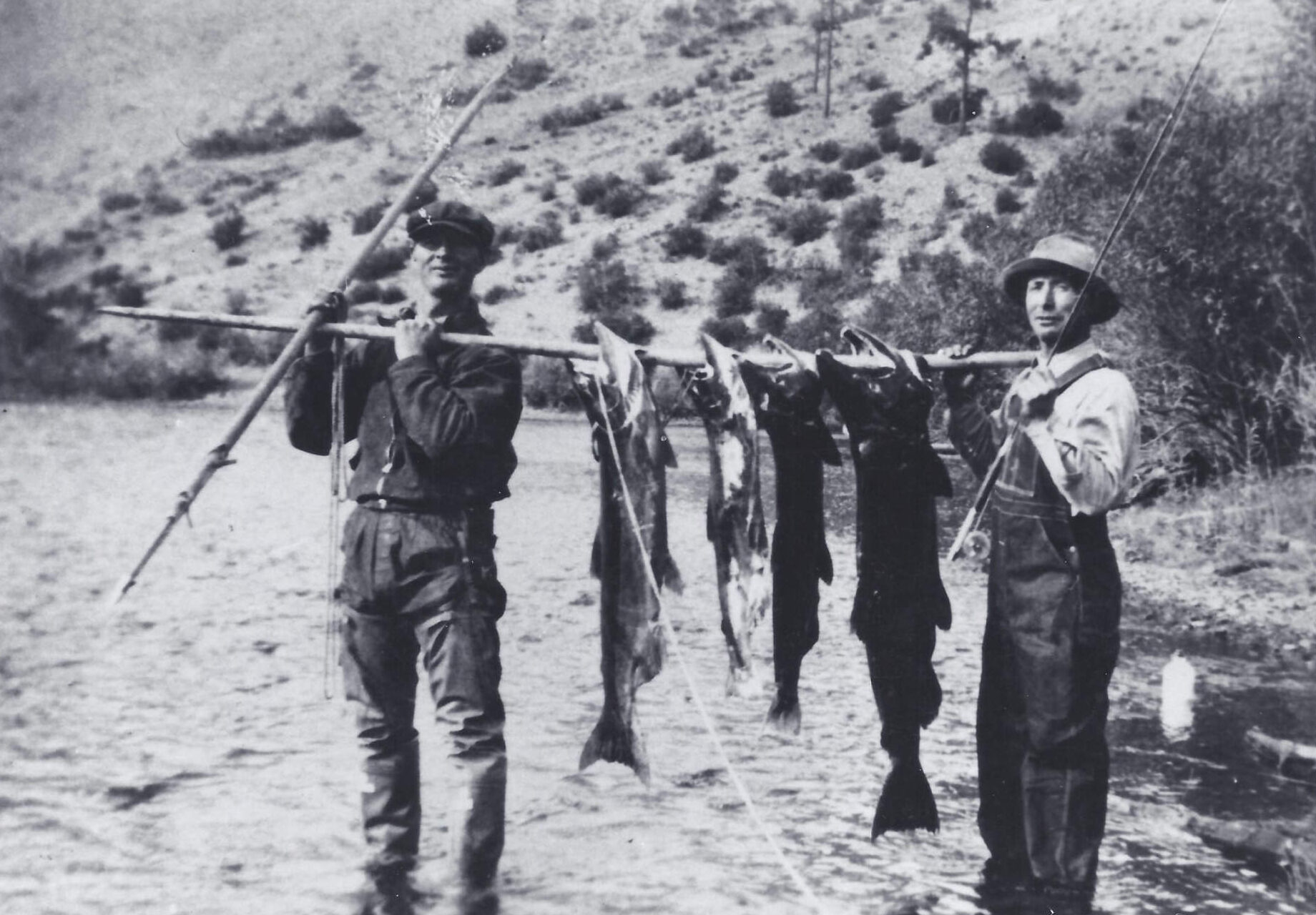
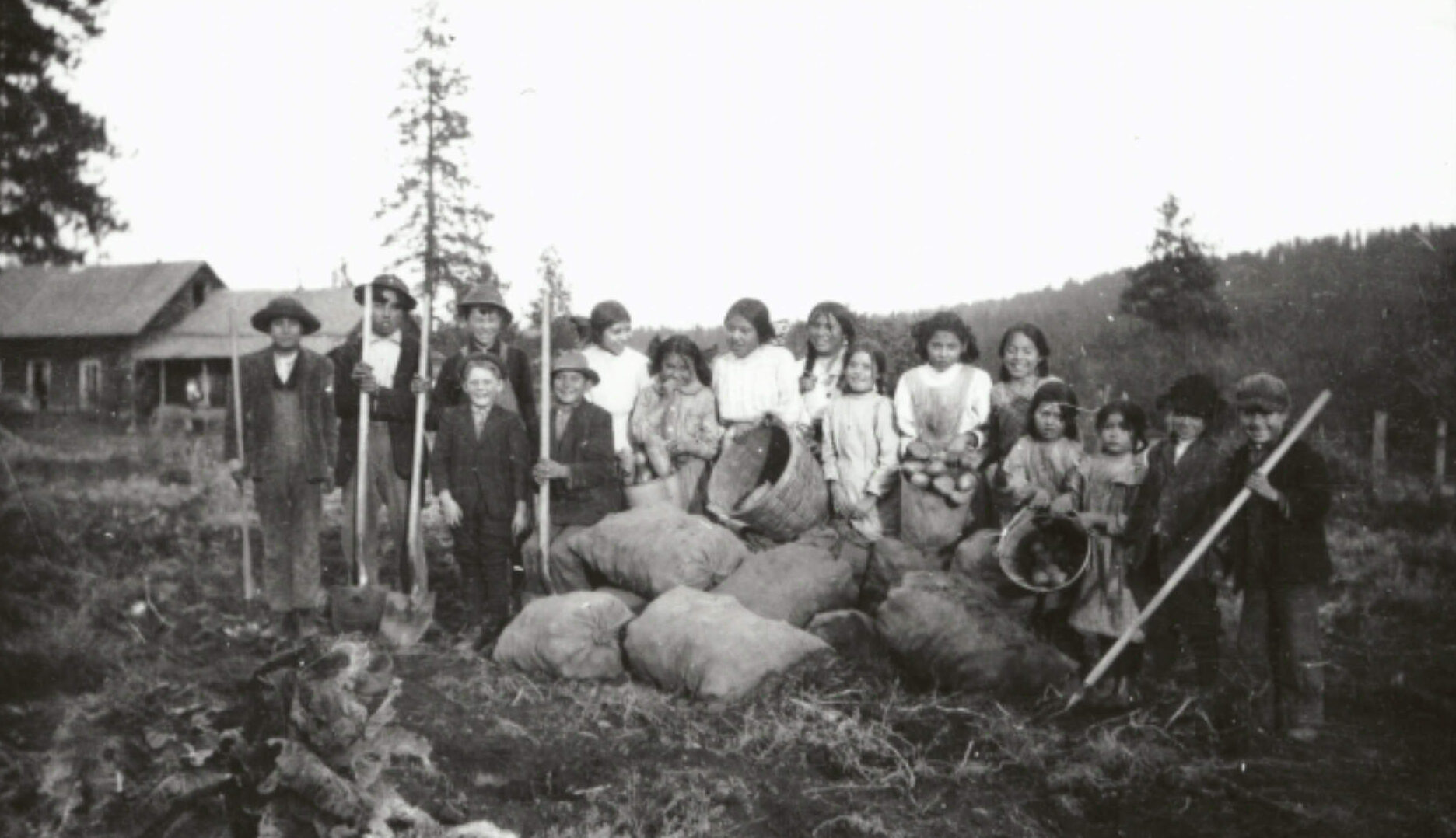
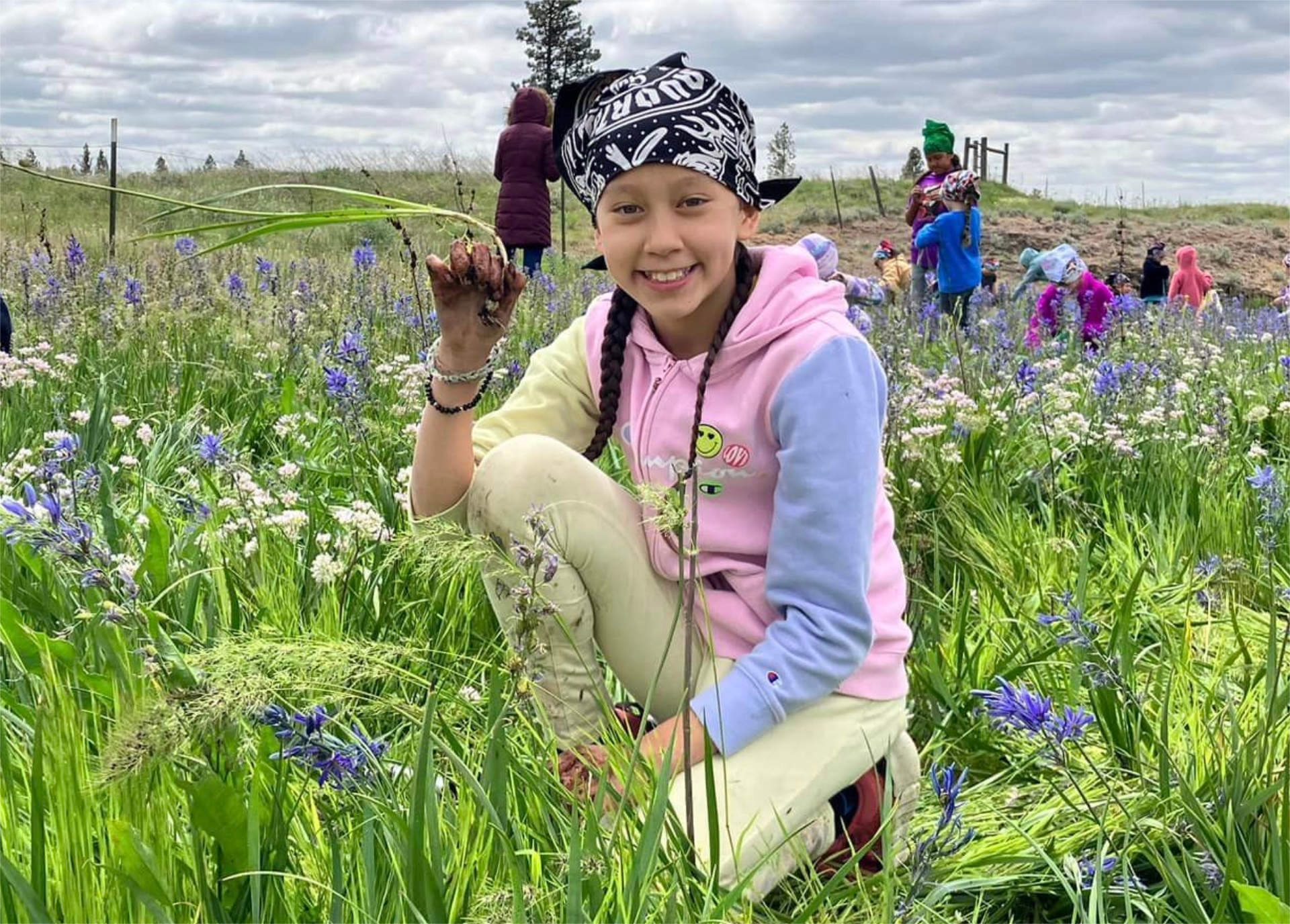
The Spokane Tribe and other interior Salish groups have lived on and around the Columbia Plateau for thousands of years. Their TEK centers around hunting, fishing, gathering, and managing forests and fires. This knowledge includes:
expertise about the ecology and management of plants, animals, and other ecological features
seasonal timing for hunting, fishing, gathering, and related cultural and ceremonial activities
appropriate ways to obtain, process, prepare, and preserve plant and animal products
TEK focuses on the relationship between people and the natural environment. It’s rooted in the ethics of responsibility, reciprocity, and respect for the human-nature connection. TEK is a living and evolving practice that links the past, present, and future by:
offering a window into the historical Indigenous relationship to place
informing our current understanding of our natural surroundings
providing a framework for how to manage and interact with the natural environment moving forward
Photo Gallery
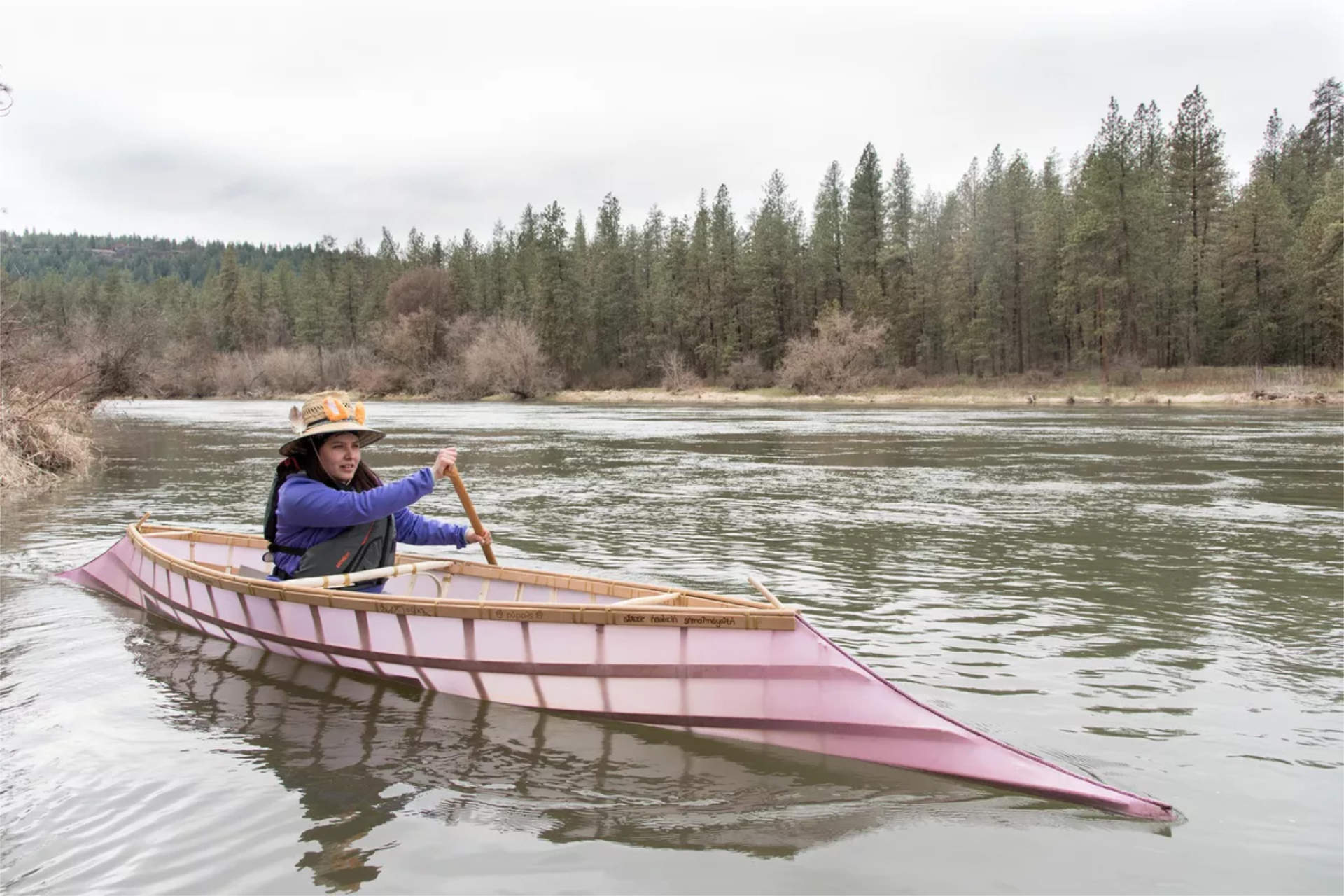
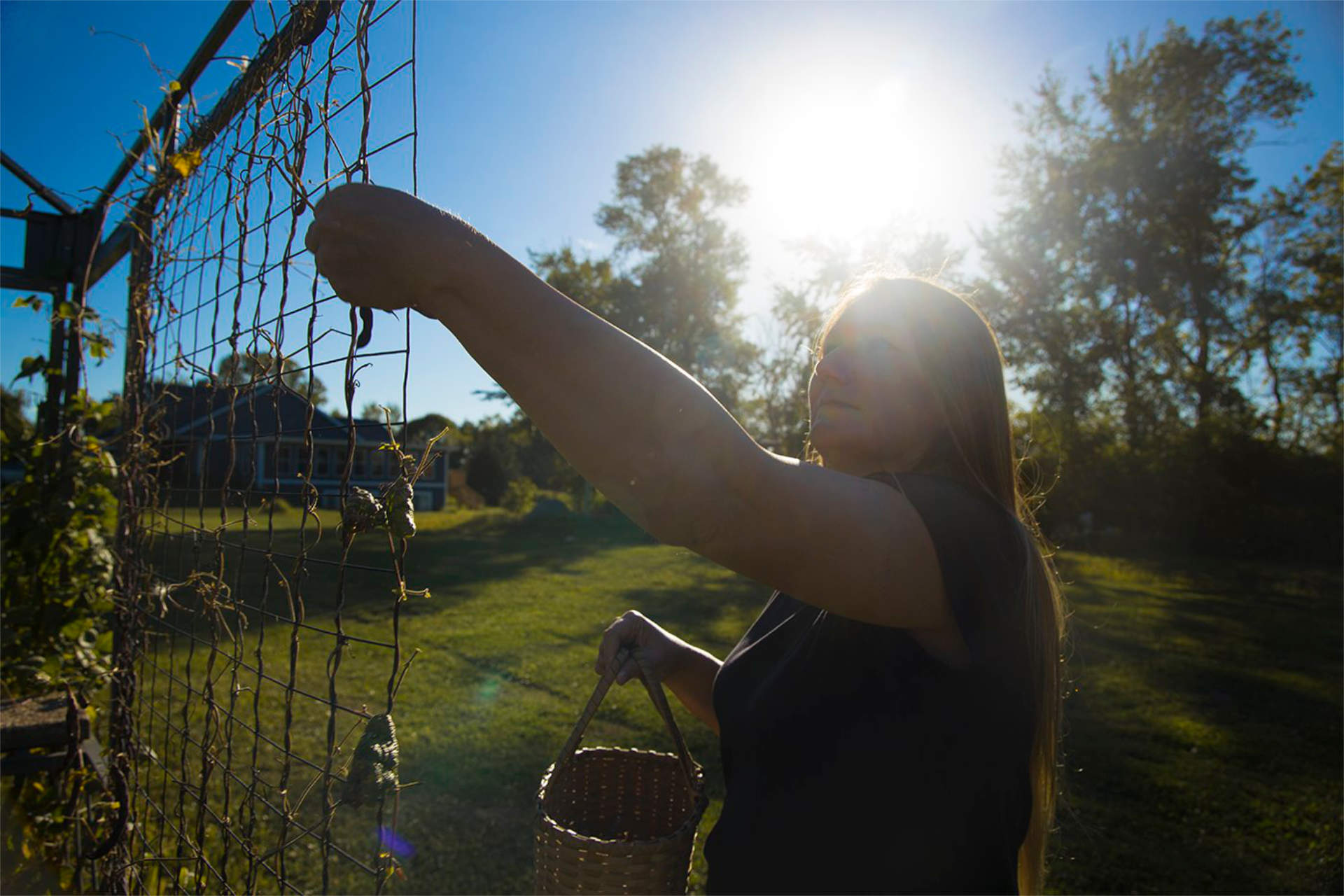
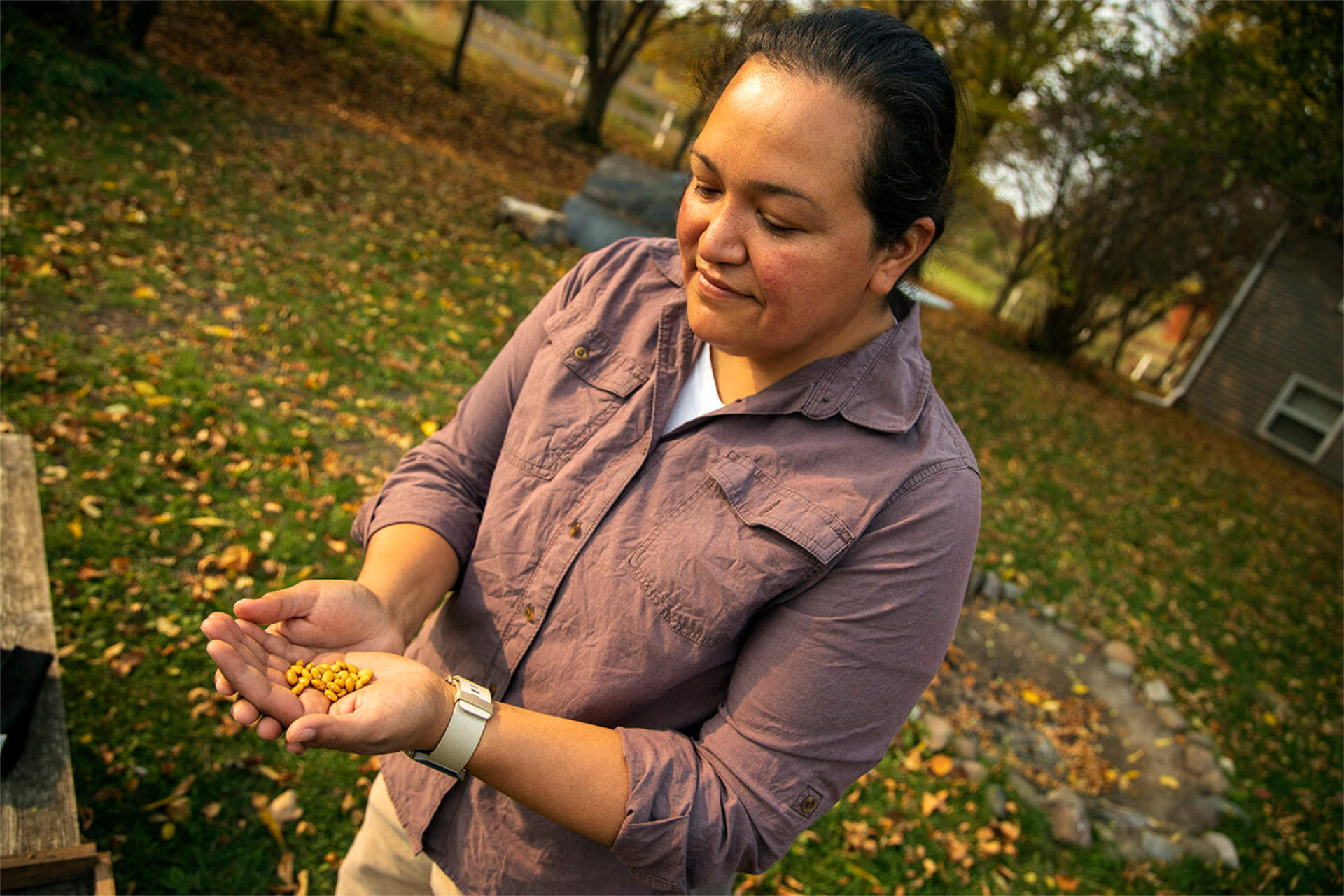
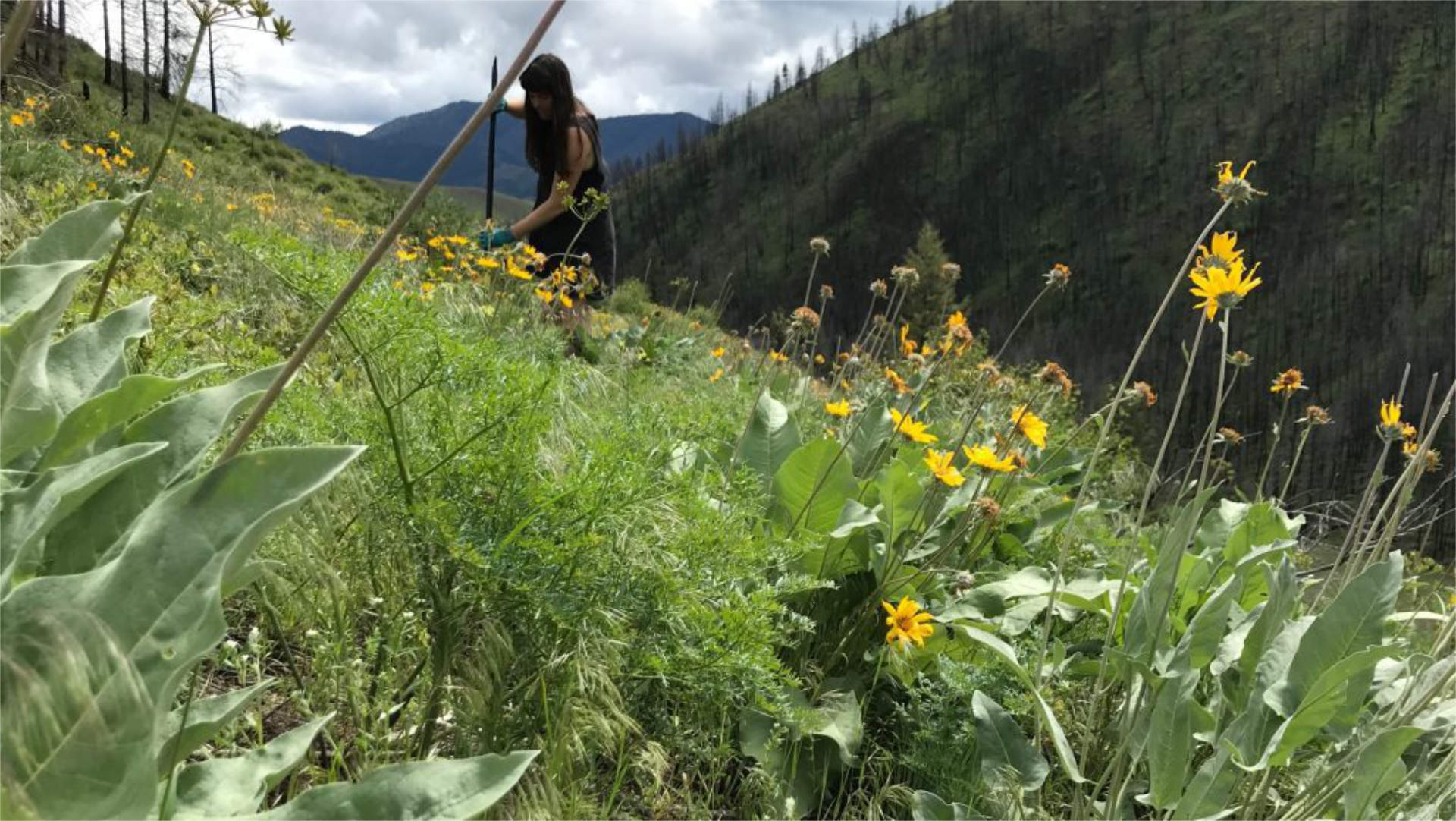
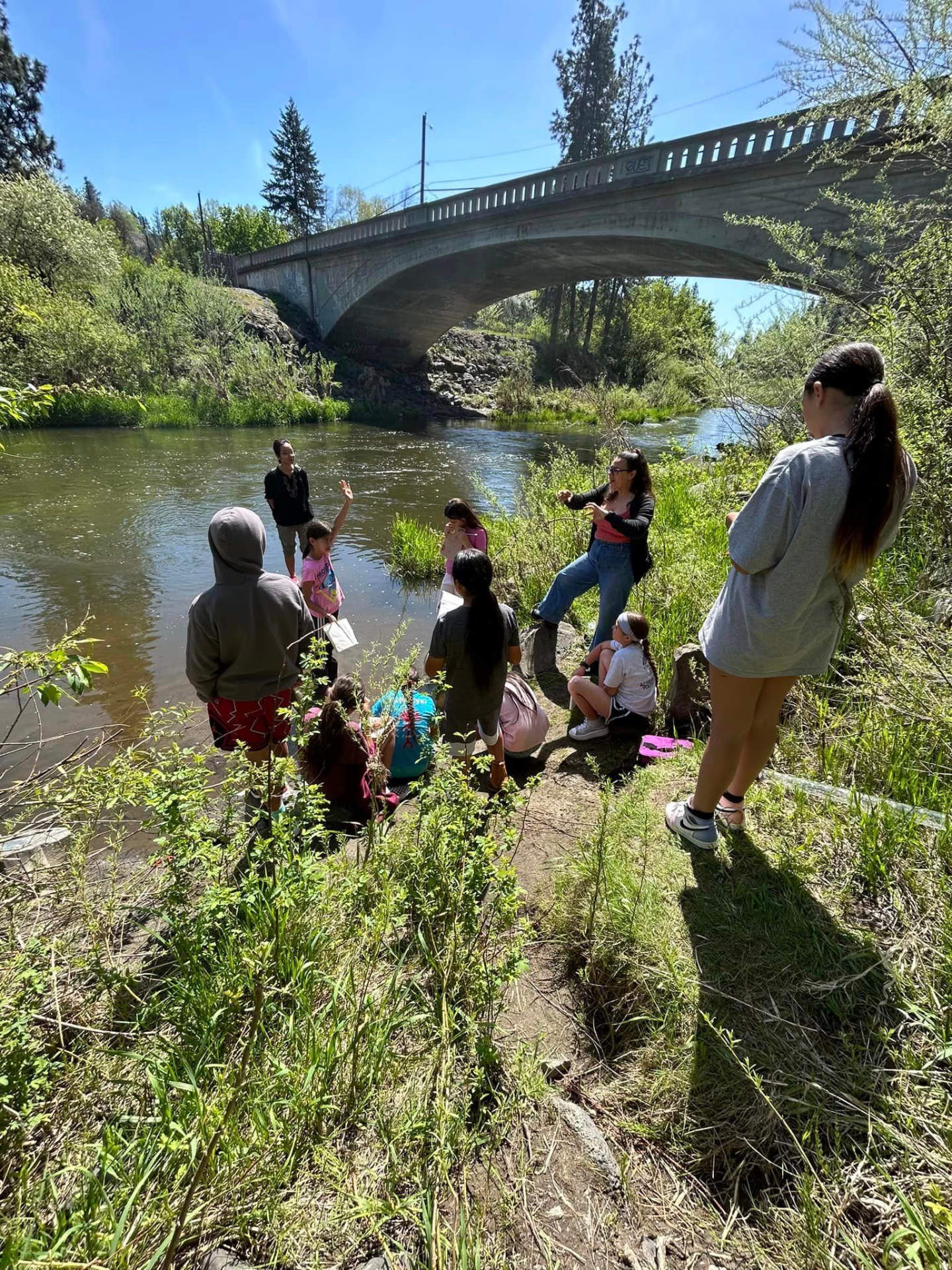
Traditional Ecological Knowledge is accumulated and applied in a variety of ways, including those shown in the photos below.
Additional Resources
Visit these websites for educational resources that explain and apply Traditional Ecological Knowledge.
The future Discovery Garden at Wildhorse Park will be a living classroom of native plants, where visitors can explore the cultural importance of the plants.
Ethnobotany
Humans have been using plants since time immemorial, for everything from food to medicine to religious ceremonies.